“We grow together as scientists who think quantitatively, experiment carefully, and collaborate openly”
We study how the physical and molecular properties of cells give rise to new behaviors, with a focus on processes such as cell fragmentation and surface mechanics. Our work combines quantitative cell biology, advanced light microscopy, and biophysical thinking to understand how cells generate forces, adapt to their environments, and communicate through cytoplasmic material. We aim to build explanations that are mechanistic, predictive, and grounded in experimentation.
Our vision
How we work
Our group values clarity of thought, curiosity, and rigorous experimentation. We expect lab members to think across disciplines and to engage critically with both data and theory. Everyone contributes actively to discussions, shares expertise within and outside of the lab, and helps shape the scientific direction of the lab. We appreciate people who enjoy building tools, testing ideas, and approaching problems with both creativity and precision. We share data openly and promote open science.
Mentoring philosophy
We follow a student-centered approach where each person is supported to grow as an independent researcher. Learning happens through active involvement, hands-on practice, and by explaining concepts to others. We keep an open and collaborative environment where expectations are transparent and feedback is regular. We recognize that people arrive with different backgrounds and strengths, and we adapt our mentorship to help each person make progress with confidence.
Joining the lab
We welcome students and researchers who are motivated by quantitative approaches to cell biology and who enjoy working in an interdisciplinary setting. If you value thoughtful discussions, careful experimentation, and a friendly and collaborative atmosphere, we encourage you to get in touch. Whether your background is in biology, physics, engineering, or related fields, we are interested in people who want to grow scientifically and contribute to the community.
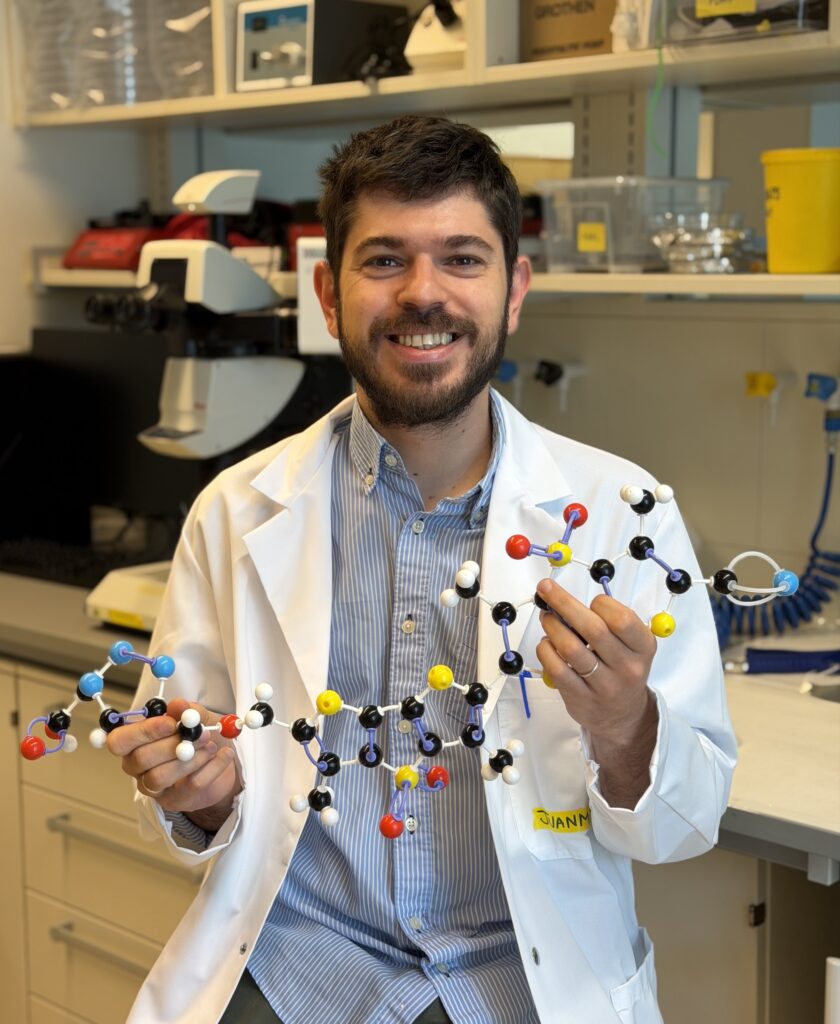
Group Leader: Juan Manuel García-Arcos
Juanma is a quantitative cell biologist interested in how the physical properties of cells shape their behaviour. His research focuses on the mechanics of the actin cortex, membrane tension, and the processes that allow cells to move, deform, and fragment. He combines advanced microscopy, microfluidics, and biophysical approaches to build mechanistic explanations of cell dynamics.
Juanma studied Biotechnology in Spain, France, and the United States, followed by two interdisciplinary masters in Paris. He obtained his PhD in Biophysics at Institut Curie, where he worked on confined cell migration and mechanical transitions in the actomyosin cortex. He then joined the University of Geneva as a postdoctoral researcher, where he developed new tools to measure membrane tension and explored how actin dynamics sustains spatial tension gradients in cells. In 2025 he was awarded an SNSF Ambizione grant to establish his independent research group at EPFL.
Alongside research, Juanma has a strong interest in teaching and mentoring. He holds a master’s degree in Education, has coordinated interdisciplinary courses in several countries, and is committed to creating an open, collaborative, and supportive environment for trainees. He has also been active in science outreach and open science initiatives, including co-founding two start-ups focused on biotechnology and open-source scientific tools.
Lab Members
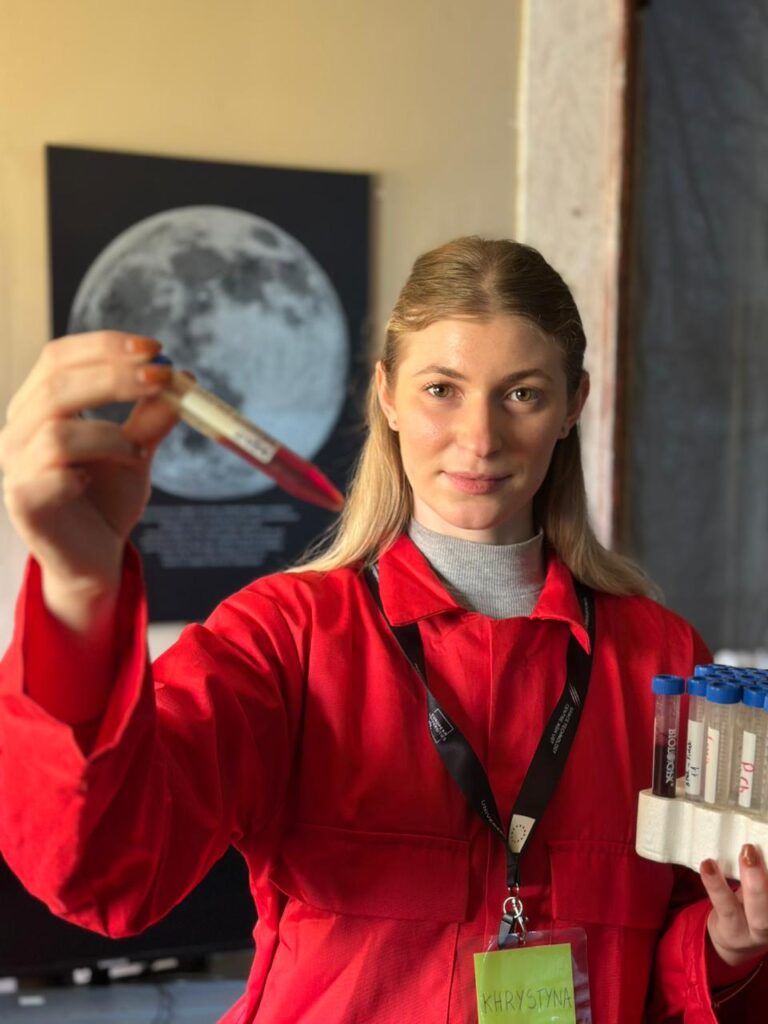
Khrystyna Fediv, Master Intern
Khrystyna is a Master’s student in Biochemistry with a strong interest in microscopy and quantitative image analysis. She is currently completing a research internship at EPFL. Her research focuses on cellular blebs and the mechanics of their formation, aiming to understand whether these dynamic processes are conserved across different cell types. She combines her background in biochemistry from Ukraine with training in image analysis gained during the Ukrainian Biological Data Science Summer School. During her Bachelor’s studies, she also completed an internship at the University of Tübingen, where she worked with two-photon microscopy and 3D image reconstruction. Outside the laboratory, Khrystyna enjoys exploring the mountains, dancing, and reading.
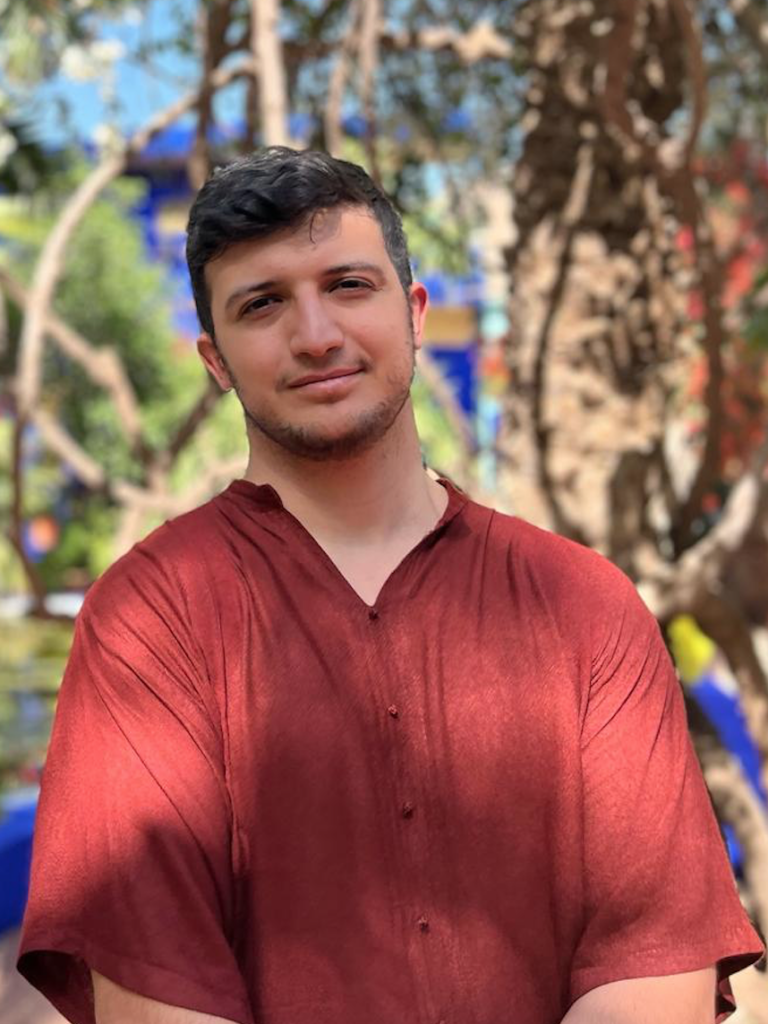
Abel Merino, Engineer
Abel is an engineer dedicated to medical technologies, robotics, and microengineering. He holds a Master’s degree in Biomedical Engineering, obtained at the Politecnico of Milan. During his studies he worked on a robotics project focused on the semi-autonomous assistance for intracranial procedures; the project was developed at the NEARlab within Politecnico. His current work focuses on the design, fabrication, and use of microfluidic devices to study how cells respond to mechanical stress and confinement. More broadly, Abel’s goal is to develop innovative technologies that bridge engineering and healthcare. He enjoys sports and has practiced judo since the age of 6.
Alumni
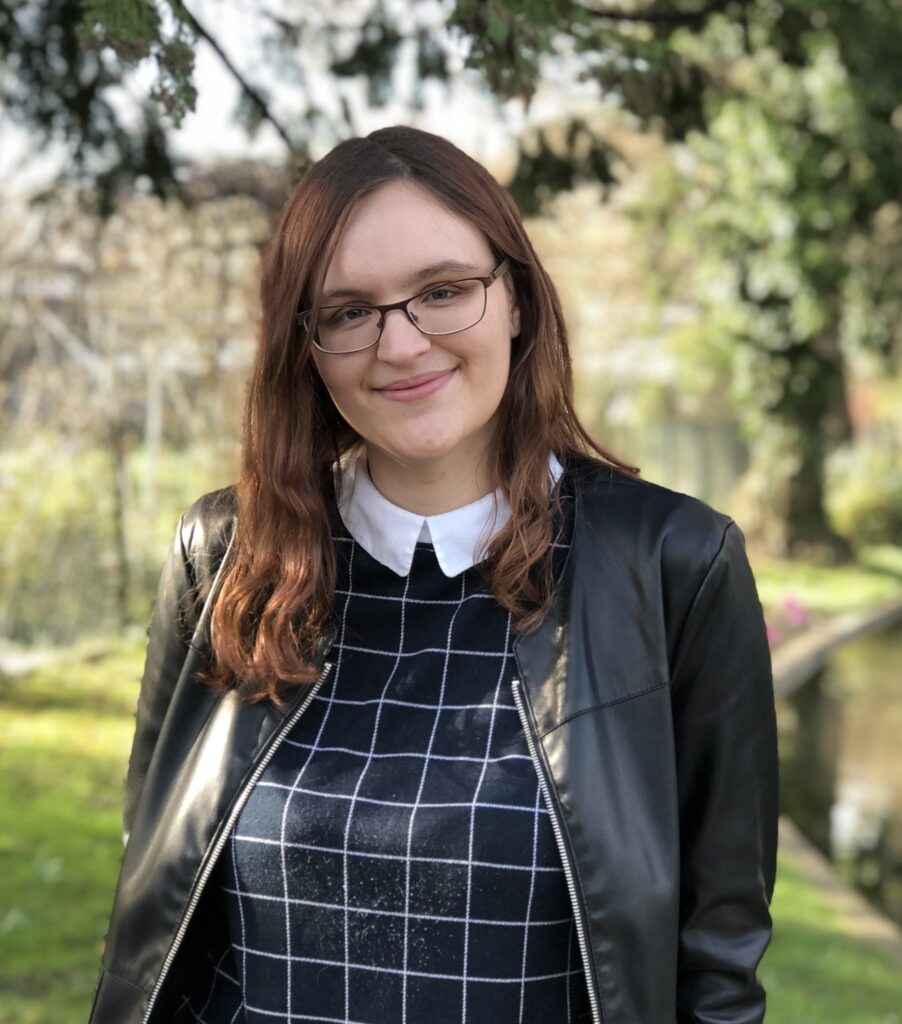
Valentine Thomas, Intern
Valentine is a cell biologist passionate about microscopy and the intricacies of actin cytoskeleton. She joined the lab of Prof. Sophie Martin as a PhD student to study the spatio-temporal organisation of the actin fusion focus during cell-cell fusion in fission yeast. She defended her thesis in 2025 and joined the lab for a few months in 2026 to work on new microfluidic devices to study cells response to mechanical and osmotic stresses. Out of the lab, she is passionnate about science communication and is part of the organizing committee of the swiss edition of Pint of Science since 2023. She now follows this passion to work as a communication officer and science event coordinator in Dijon.

We are hiring!
We are always open to host master internship projects and any motivated PhD candidate or postdoc who is motivated by science and interested in our research topics. Come join us in Lausanne, Switzerland!